
How to Stop Stress Spending When You’re in Survival Mode
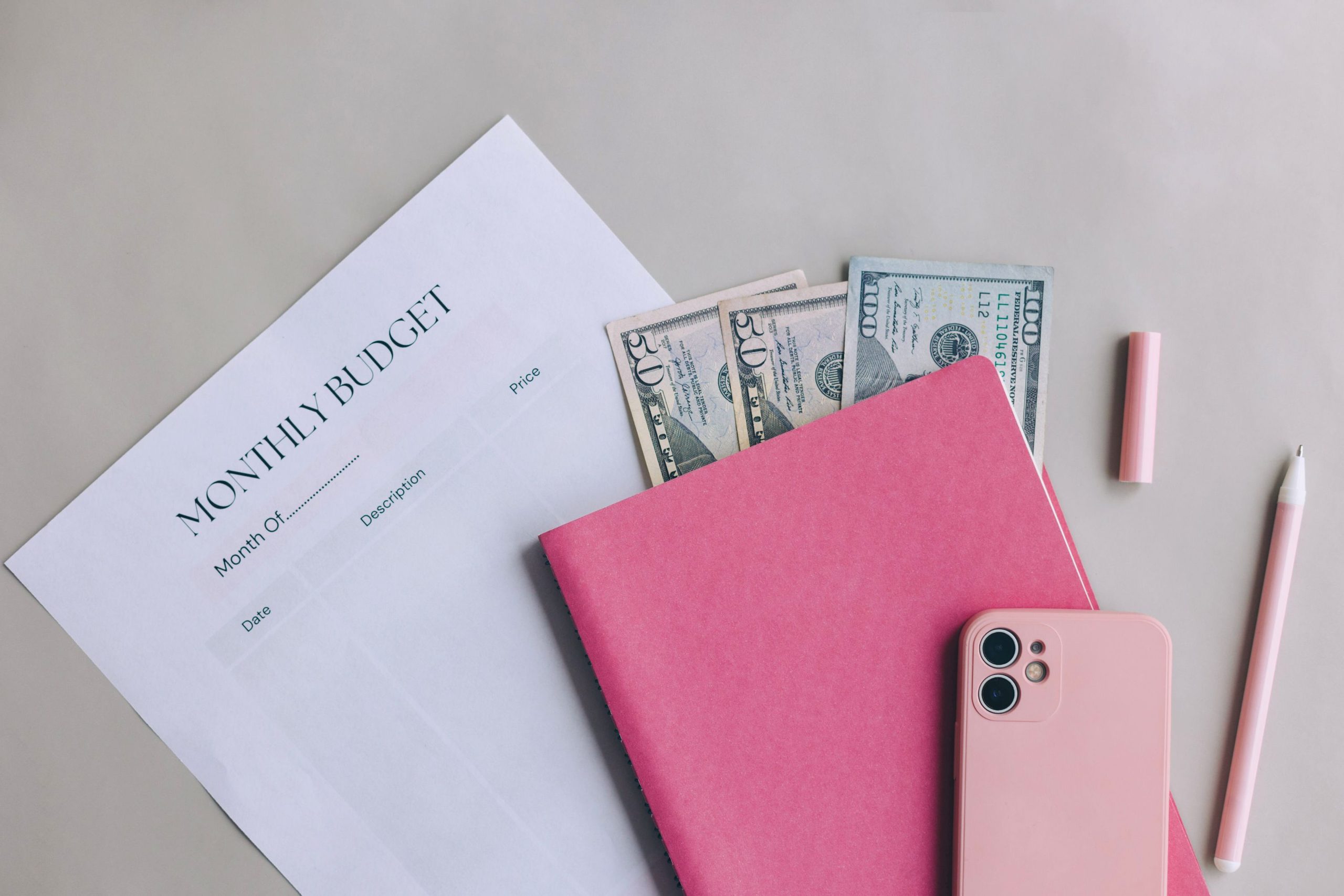
You are not a shopaholic. You are not irresponsible. You are not someone who just cannot control herself around a sale. You are a woman in survival mode, and your brain has been doing exactly what brains do when they are overwhelmed and exhausted and running on empty for too long: reaching for the fastest available form of relief.
For a lot of women, that fastest form of relief happens to come with a confirmation email and free two-day shipping. And the thing that makes stress spending so hard to talk about is that in the moment, it actually works. The purchase lands and the cortisol dips and for twenty minutes you feel like you did something for yourself in a day that was otherwise entirely about surviving everyone else’s needs. Then the guilt arrives and the cycle starts again.
This post is not about shame. It is about understanding why stress spending happens and what to actually do instead, because willpower alone has never been the answer and it never will be.
The biology first
Why Your Brain Reaches for the Purchase
When you are in survival mode, your nervous system is running a background program called threat detection. It is scanning constantly for things that could go wrong and trying to manage them before they do. That program is exhausting. And when your nervous system has been running it for too long, it starts looking for anything that creates a sense of control or relief. Any interruption of the threat loop.
Shopping is one of the fastest interrupters available. The act of choosing something, adding it to your cart, completing the purchase: each of those micro-decisions creates a hit of dopamine. Agency in the middle of a situation where you feel like you have none. A small pocket of pleasure in a week that has not offered many. Your brain is not malfunctioning when it reaches for a purchase under stress. It is using the tools available to it. The problem is the cost, financial and emotional, that comes after.
The loop is not a moral failing. It is a nervous system pattern. And nervous system patterns can be interrupted and replaced, but not through willpower alone. They need to be interrupted at the point of the reach, before the purchase, with something that gives the brain enough of what it is looking for to let the moment pass.
Know your triggers
The Specific Situations That Pull the Trigger
Stress spending does not happen randomly. It happens at specific emotional trigger points. The woman who can name her triggers is the one who can see the reach coming before her hand is already in her wallet. Read through these and notice which ones feel familiar.
After a long day, a hard week, a season of giving everything to everyone else. You are depleted and the brain finds the fastest path to feeling like you did something for yourself. The purchase feels like self-care. The guilt feels like the opposite.
When you feel like you have given and given and nobody has given back. The purchase is a way of taking something for yourself because nobody else is going to. It is real self-advocacy misrouted through a checkout cart.
You were fine until you opened Instagram. Now you need the bag she has or the kitchen she has or the life that looks like hers from the outside. The purchase is an attempt to close a gap that was manufactured by an algorithm and does not actually exist.
You are worried about something real: a relationship, a job, a health situation, money itself. The purchase is something concrete you can do in a situation where everything else feels out of your control. It creates a moment of false agency.
You are not actually in distress. You are understimulated. Shopping is more interesting than whatever you were doing and the algorithm knows exactly what to show you when your attention is untethered. This one is the sneakiest because it does not feel emotional.
The reset that addresses the pattern underneath
Soft Girl Money Reset™
The Money Reset includes a money pattern assessment that identifies whether you are a Soother, a Firefighter, an Avoider, or an Over-Saver. The Soother pattern is the one most closely tied to stress spending. Once you know your pattern, the Reset builds a plan specifically around it: a guilt-free spending category you can use without shame, and a system so the rest of your money is already handled before the stress reaches for your wallet.
Find My Money Pattern ($47) →Let’s be honest first
What Does Not Actually Work
Before the strategies, let me save you from the ones that will not. Because you have probably already tried some of them and felt like the failure when they did not hold.
Willpower alone. Willpower is a finite resource and it is the first thing to go when you are stressed, tired, or in survival mode. That is exactly when stress spending spikes. Relying on willpower to stop stress spending is like trying to outrun a car. You might manage it once or twice, but the car will always win eventually.
Deleting the shopping apps. The apps come back. The browser works fine. The impulse does not live in the app; it lives in the nervous system. Remove the apps if it helps but do not mistake that for addressing the actual pattern.
Shame and self-criticism after the fact. The guilt spiral that follows a stress purchase does not prevent the next one. It actually primes you for it. Guilt is itself a form of stress, and what do you do when you are stressed? The loop tightens.
The goal is not to stop wanting relief when you are stressed. That is a human need. The goal is to build enough structural support around the stressed moments that the reach has somewhere else to land before it becomes a purchase.
What actually interrupts it
Seven Things That Actually Work
Name the feeling before you name the item.
When you notice the reach, pause long enough to name what is happening underneath it. Not the thing you want to buy. The feeling that arrived first. Exhausted. Resentful. Anxious. Invisible. Bored. Naming the feeling does two things: it activates the prefrontal cortex, which is the decision-making part of your brain that stress spending bypasses, and it gives you information about what you actually need in that moment.
The feeling that triggers a stress purchase is almost never solved by the purchase. But it might be solvable by something else entirely: rest, a real conversation, a walk, food, water, ten minutes outside. Naming it first gives you the chance to find out.
Write it down instead of buying it now.
Keep a running list: your phone notes app, a piece of paper, anywhere. When you want to buy something, write it down with the date and the price. Give it twenty-four hours. If you still want it tomorrow, that is real information. Most of the time, the impulse passes when the stressed feeling passes. The list lets you honor the want without acting on it immediately.
This is not about denying yourself. It is about finding out if the want is yours or if it belongs to a stressed version of you who will feel differently in the morning.
Add it to your cart and walk away.
Add everything you want to the cart. Get the full hit of choosing and selecting and imagining. Just do not check out. Close the tab. The dopamine from the choosing phase is real. You can get most of the relief without the purchase if you do not push all the way through. Most items left in carts stay there. The feeling passes.
Build a list of things that actually work for you when you are stressed.
Not a generic self-care list. Yours. The specific things that reliably shift your state when the stress is high. A shower. A specific playlist. A conversation with that one friend who always makes you feel less alone. A walk. Something to eat. The couch and a show you have seen before so your brain can rest without tracking a plot.
Write the list when you are calm and keep it somewhere accessible. When the stressed moment arrives and the reach starts, you have somewhere else to send the impulse before it gets to checkout.
Guilt-free spending built in so the reach has somewhere to land
Soft Girl Money Reset™
One of the reasons stress spending hits hardest is that there is no sanctioned space for spending on yourself. When every purchase feels like a violation of the budget, the guilt comes whether you bought something intentionally or impulsively. The Money Reset builds a guilt-free spending category into your Soft Budget specifically so you have an amount that is yours, protected, to spend without justifying it. That category alone reduces the emotional charge around spending in ways that willpower never can.
Build My Soft Budget ($47) →Make the purchase harder to complete, not impossible.
Remove saved payment information from your most-used shopping sites. Delete the apps from your home screen (not from your phone, from the home screen). Put one extra step between you and the checkout. The goal is not to make shopping impossible. It is to create a pause long enough for your prefrontal cortex to catch up with your stressed nervous system. One extra step is often enough.
Have a protected spending amount that is yours without guilt.
This is the structural fix. One of the reasons stress spending feels so charged is that any spending on yourself can feel like a violation when there is no sanctioned space for it. When your budget has a guilt-free category, a specific amount that is protected and yours to spend however you want, the impulsive purchase loses some of its power. The charge around it diminishes. If you already have money set aside for exactly this, the stressed reach might land there instead of blowing the rest of the month.
The real fix is reducing the stress, not just managing the spending.
Stress spending is a symptom. The disease is survival mode. And the strategies above will help manage the spending, but they will not address the underlying exhaustion, depletion, and lack of support that create the conditions for stress spending in the first place. That work is bigger than a financial habit. It involves asking for help, setting limits, protecting rest, and building the kind of structural support around your life that makes survival mode a temporary season rather than a permanent address.
That is the soft life we are actually building toward. Not an aesthetic. A life that is genuinely less hard. A life where the stressed reach does not need to happen as often because the tank is not perpetually empty. That work is worth doing alongside the financial habits. Not instead of them. Alongside.
I built the Money Reset after a season where I was doing exactly what this post describes. The Soother pattern was mine. And the thing that helped most was not willpower or deleting apps. It was having a real plan for my money so that the spending I did was intentional and the rest was already handled. The clarity made the reach less urgent. Not gone. Less urgent.
You are not bad with money. You are stressed and your brain is doing what stressed brains do. The work is building something steadier underneath.
- Why it happens: stressed brains reach for dopamine and agency. Shopping provides both, briefly. The guilt that follows adds to the stress and tightens the loop.
- The loop: stress arrives, brain reaches for relief, purchase happens, guilt arrives, money stress increases, more stress. That is the whole cycle.
- Know your triggers: exhaustion, resentment, comparison, anxiety, boredom. Name which one is yours. Naming it gives you information before the checkout.
- What does not work: willpower alone, deleting apps, guilt after the fact. None of these address the nervous system pattern underneath.
- Strategy 1: name the feeling before you name the item. What arrived before the reach? That is what actually needs to be addressed.
- Strategy 2: the 24-hour list. Write it down, date it, price it. If you still want it tomorrow, it is real. Most of the time it passes with the stress.
- Strategy 3: add to cart, walk away. Get the dopamine from choosing without completing the purchase.
- Strategy 4: build your real relief menu. The specific things that actually shift your state. Keep it accessible for the stressed moments.
- Strategy 5: remove saved payment info, move apps off the home screen. One extra step is often enough.
- Strategy 6: have a guilt-free spending category. When spending on yourself is sanctioned, the impulsive version loses its charge.
- Strategy 7: address the survival mode itself. Stress spending is a symptom. The work underneath is worth doing.
For the Soother who is ready to build something steadier
Soft Girl Money Reset™. Find Your Pattern. Build Your Plan. Make Peace With Your Money.
The Money Reset starts with your money pattern: Soother, Firefighter, Avoider, or Over-Saver. If stress spending is your pattern, the Reset is built specifically for what follows. A Soft Budget with a guilt-free spending category so there is always a sanctioned place for spending on yourself. A paycheck map so the rest of the money is already handled before the stressed moment arrives. And a Sunday check-in ritual so the plan holds week after week instead of unraveling every time life gets hard. This is the structural support that makes the seven strategies actually stick.
You are not the problem. The loop is the problem. And loops can be interrupted. Build one strategy at a time, get the structural support in place, and be genuinely patient with yourself on the hard days. You are building something steadier. That takes more than a week and it is absolutely worth the time it takes.
Renae xx · Founder, Dear Soft Girl
📌 Save this for the woman who knows she stress spends and is tired of the guilt cycle. The biology, the triggers, and seven strategies that actually interrupt the pattern. No shame, just real tools.



Join the List
Stay up to date & receive the latest posts in your inbox.