
The Realistic Payday Routine for Women (Reset Money Without Anxiety)
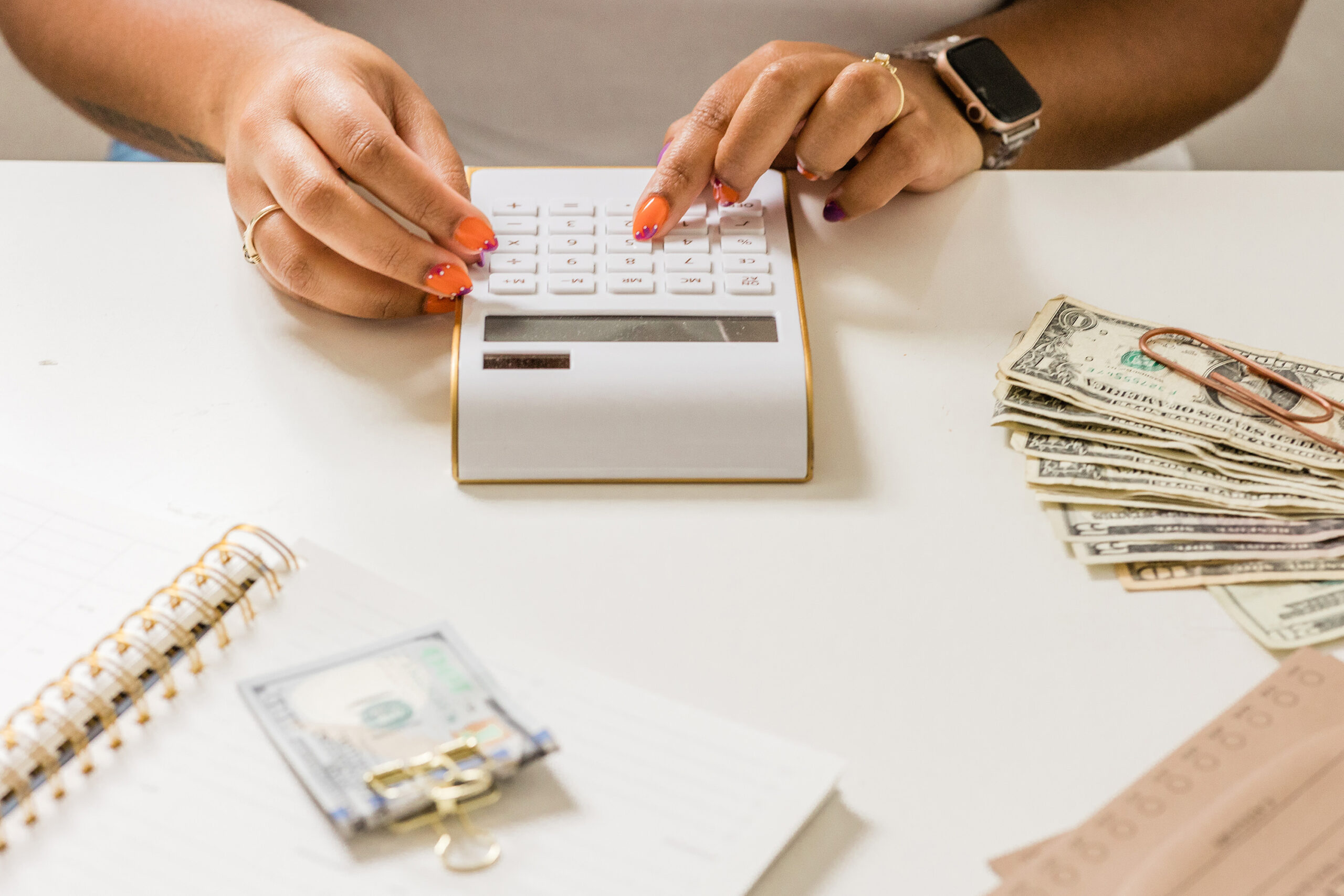
You know the little moment when payday hits and you finally exhale?
For a few minutes, the number in your account looks comforting. Then rent, groceries, gas, subscriptions, school expenses, minimum payments, and that one bill you forgot existed all start introducing themselves. By the end of the weekend, you are staring at your balance trying to figure out how money can arrive on Friday and feel missing by Sunday.
That is exactly why you need a payday routine.
Not a fantasy budget built around a life where nothing unexpected happens. Not a percentage chart that assumes your paycheck has plenty of room. A routine that shows you what the money has to do before you start spending from a balance that looks more available than it really is.
This one has four steps: Review, Buffer, Soft Life Allocation, and Guilt-Free Spending. You will see the whole philosophy in this article, including a biweekly budget example and a smaller version for paydays when there is barely enough to divide.
The Complete Payday Operating System
The Soft Girl Money Reset™ Bundle
Stop trying to piece together spreadsheets, notes apps, and envelopes. The Money Reset Bundle gives you three connected tools to map your cash flow, spot possible shortfalls before payday panic takes over, and keep your plan visible between paychecks.
Use it the way your brain works
Screen when you want speed. Paper when you need quiet.
You can use the four steps below on your own. The bundle is for the woman who wants the calculations, written reflection, printable plan, and ongoing tracking connected in one system instead of rebuilding the process in her notes app every other Friday.
Before you move anything
A payday balance is not the same as available spending money
Your banking app shows the money currently sitting in your account. It does not automatically subtract next Tuesday’s power bill, the gas you need for work, groceries for the next twelve days, or the automatic payment that is apparently committed to arriving at the worst possible time.
A useful payday routine turns that account balance into a cash-flow plan. The Consumer Financial Protection Bureau’s cash-flow tools use the timing of income and expenses to show whether money will cover the period ahead. That timing matters when you are paid every two weeks because your bills do not politely divide themselves into equal paycheck-sized portions.
The four-step routine
How to reset your money every payday
Review
Find out what this paycheck actually has to cover
Start with facts, not the feeling the deposit gives you.
Write down your current available balance and the exact take-home pay that arrived. Then list everything due before the next payday:
- Housing and household bills
- Transportation and gas
- Groceries and household basics
- Childcare, school, medication, and required personal needs
- Minimum debt payments or payment arrangements
- Automatic subscriptions scheduled during this pay period
Use the amount that is available now. Do not include expected overtime, a reimbursement that has not arrived, money somebody promised to send, or the refund still “processing” in an unknown corner of the internet.
minus bills due before next payday
minus essential spending for the pay period
equals your paycheck remainder
If reviewing a full month makes you shut the laptop, start with the period until your next check. The CFPB also suggests beginning with a shorter window when tracking everything feels overwhelming. The goal is a clear picture, not an accounting degree by bedtime.
Ask yourself: What must this money do before I get paid again?
Buffer
Protect a small amount from the next surprise
After bills and essentials, choose a realistic amount to leave untouched as your paycheck buffer.
This is not the same as pretending you can build a six-month emergency fund before next Thursday. A payday buffer can begin with $5, $10, or $25. Its first job is to keep every forgotten fee, price change, or extra gallon of gas from pushing the whole pay period off course.
You can leave the buffer as a minimum floor in checking or move it into a separate savings space if that makes it easier not to spend. Check the rules and transfer timing for your accounts before moving money you may need quickly.
If you cannot add to the buffer this payday, keep any amount already there. If you need to use it for an unexpected essential expense, that is the job it was given. Refill it gradually when you can.
The CFPB defines emergency savings as money set aside for unplanned expenses and encourages starting small. Your first buffer does not have to be impressive to become useful.
Ask yourself: What amount can I protect without taking money away from something necessary?
If this is the point where the math starts living on three envelopes, two screenshots, and a receipt you cannot find, the $47 Soft Girl Money Reset Bundle calculates your snapshot in the web app, exports your personalized plan, gives you space to work on paper, and helps you track the month after payday.
Soft Life Allocation
Plan for what makes the next two weeks easier
The Soft Life Allocation is money assigned to reduce avoidable stress during the pay period.
It is not automatically luxury spending. It might cover the slightly easier groceries you will actually prepare, a laundromat run that clears the pile, gas before the warning light comes on, a basic personal-care replacement, occasional childcare, one prepared meal on your longest workday, or the household item that keeps creating problems because you have not replaced it.
Ask one question: What small expense would make the next two weeks feel ten percent easier?
Then choose one or two things and name the amount before you spend it. This keeps “soft life” from becoming a vague permission slip for every pretty thing you see while also making sure your budget does not erase your humanity.
When money is tight, this allocation might be $10. It might be a planned convenience already inside the grocery budget. It might be $0 in cash and one free decision, like declining an exhausting commitment. The category is about lowering friction, not proving you can afford a certain lifestyle.
Ask yourself: What can I plan now that will keep tired me from making a more expensive decision later?
Guilt-Free Spending
Choose an amount you can enjoy without borrowing from tomorrow
Guilt-free spending is the money left for something you want after the current bills, essentials, minimum obligations, and buffer have been considered.
Choose the amount on payday. Keep it separate in your budget, an envelope, or a spending account. Then use it without conducting a three-day moral investigation afterward.
Maybe it is $15 for coffee and a bookstore browse. Maybe it is $40 for dinner with friends. Maybe this payday has no room for paid fun, so you choose one free thing to enjoy without turning the whole weekend into unpaid catch-up labor.
The important boundary is simple: guilt-free money cannot be the money needed for next week’s groceries, transportation, medicine, childcare, or a bill already scheduled. If spending it creates a new emergency, it was not available yet.
Ask yourself: What amount can I spend and still trust the plan I made for the rest of this pay period?
A payday routine is not about controlling every dollar perfectly. It is about making sure every dollar is not making decisions without you.
See the routine in numbers
A realistic biweekly budget example
This example uses a $1,250 paycheck and $40 already available. Your numbers may be completely different. Do not copy the amounts. Copy the order.
| Payday category | What it covers | Example |
|---|---|---|
| Money available | $1,250 deposit plus $40 current balance | $1,290 |
| Review: bills due | Housing portion, utilities, phone, insurance, and scheduled payments | -$720 |
| Review: essentials | Groceries, gas, household basics, and required needs | -$385 |
| Minimum debt payment | Required payment due before the next check | -$75 |
| Buffer | Small amount protected from routine spending | -$25 |
| Soft Life Allocation | One expense that makes the pay period easier | -$35 |
| Guilt-Free Spending | Planned money for enjoyment | -$20 |
| Rollover | Amount left available for timing changes or the next pay period | $30 |
Notice that the enjoyable categories are not huge. They are also not hidden. The point is to give the paycheck a complete plan that includes survival, stability, and a little room to feel like a person.
When the remainder is negative
How to budget when you are broke
If the paycheck does not cover everything due before the next one, the routine changes from allocation to triage. Do not force Buffer, Soft Life Allocation, and Guilt-Free Spending into money that is already needed for essentials.
- Protect immediate essentials. Start with housing, utilities, food, transportation to work, medication, childcare, and other needs specific to your household.
- List the exact gap. “I am short $146 before next payday” gives you something concrete to address. “Everything is a mess” gives anxiety a microphone and no assignment.
- Check payment timing. Contact the provider or creditor directly and ask whether the due date can be moved, the payment can be split, or a hardship arrangement is available. Ask about any fees or terms before agreeing.
- Pause what can safely wait. Review optional subscriptions and flexible purchases without assuming every expense is equally urgent.
- Keep one next step visible. Write down who you need to call, what amount is still uncovered, and the date you will check again.
The CFPB includes changing bill due dates and adjusting the timing of expenses among possible ways to improve cash flow. Availability depends on the provider, so ask directly rather than assuming an option exists.
Your repeatable checklist
The 20-minute payday routine
Save this list and repeat it every time income arrives:
- Confirm the exact deposit and current available balance.
- Check the dates until the next expected payday.
- List every bill and automatic payment due during that window.
- Estimate groceries, gas, transportation, and required household needs.
- Subtract minimum required debt payments or arrangements.
- Choose a realistic buffer amount, even if it is small.
- Choose one Soft Life Allocation that makes the pay period easier.
- Set the guilt-free spending amount after everything above.
- Schedule payments or add due dates to your calendar.
- Write down the planned rollover balance.
Once the routine is complete, stop reopening the budget every time you buy groceries. Check in on a planned day or when something materially changes. A plan cannot reduce uncertainty if you keep putting it on trial.
Payday questions
Frequently asked questions
Should I use percentages for my payday budget?
You can, but you do not have to. When money is tight, fixed percentages often ignore what bills actually cost. Start with the dollar amounts due before the next payday. Percentages become more useful after you know the plan covers reality.
How does this work if I am paid every two weeks?
Plan from one paycheck date to the next. Because biweekly pay creates 26 checks in a year, two months usually contain a third paycheck. Do not assign that extra check before it arrives. When it does, use the same four steps and decide whether it needs to cover future bills, build the buffer, reduce debt, or fund a goal.
What if my income changes every payday?
Build the plan from income already received, not your best-case estimate. Keep a list of required expenses in priority order, then assign money from the top down each time income arrives. In higher-income periods, consider strengthening the buffer for lower-income ones.
Do I need several bank accounts?
No. Separate accounts can make categories easier to see, but a written plan, spreadsheet, printable page, or tracker can do the same job. If you move money between accounts, check minimum balances, transfer times, withdrawal limits, and possible fees first.
What if I spend more than I planned?
Update the numbers and decide what changes for the rest of the pay period. Do not abandon the entire routine because one category went over. The plan is allowed to respond to real life.
Why a complete system can be worth $47
Overdraft fees vary by bank, but the FDIC notes that they may cost around $35 per transaction. Add a forgotten $15 subscription or an unplanned $40 takeout order on an overwhelmed night, and the cost of not seeing the full pay period can climb quickly.
The bundle cannot promise that every buyer will save a specific amount. What it gives you is one repeatable place to spot upcoming bills, possible shortfalls, forgotten charges, and spending decisions before they stack up. One caught expense or better-timed decision can make the value easier to feel.
Get the complete payday operating system
The $47 Soft Girl Money Reset™ Bundle connects the screen, paper, and tracking pieces of your money routine. Calculate your snapshot, export your personalized plan, work through the companion workbook, and keep the plan moving all month.
- 6-Phase Interactive Web App: work through your financial snapshot and calculations step by step.
- Printable Companion Workbook: continue the reset away from the screen with the free PDF.
- Reusable Monthly Money Tracker: track your budget, weekly check-ins, money wins, savings, and quarterly reflections.
- Personalized Plan Export: save or print the plan you created from your real numbers.
You do not need payday to make you feel rich for forty-five minutes. You need it to leave you knowing what the money is doing next.
Dear Soft Girl
Save this payday routine: Review the real numbers, protect a small buffer, plan what makes life easier, and choose spending you can enjoy without borrowing from tomorrow.
Financial education sources: Consumer Financial Protection Bureau, Your Money, Your Goals toolkit; guide to emergency savings; and Improving Cash Flow tool. Overdraft-fee information: FDIC Overdraft and Account Fees. This article is for general educational purposes and is not individualized financial advice.



Join the List
Stay up to date & receive the latest posts in your inbox.